Balsign Script Font: Elevate Your Handmade Brand Identity
I was sitting at my desk, surrounded by a chaotic spread of matte black sticker paper, gold foil transfers, and half-empty coffee mugs, trying to finalize the packaging for a new batch of handmade soy candles. The wax smelled like lavender and sage, but the label design felt flat. I had used a standard sans-serif font for the product name, which looked clean but lacked soul. It didn’t match the cozy, artisanal vibe I wanted my customers to feel when they unwrapped their purchase. That was the moment I decided to swap out the generic typeface for Balsign, a fresh and unique script with a beautiful touch that instantly breathed life into the design.
If you are a crafter, handmade seller, or printable creator, you know that typography is not just about reading; it is about feeling. The right Script font can transform a simple product tag into a keepsake. Balsign arrived in my design workflow exactly when I needed it, offering a visual personality that balances elegance with approachability. It is perfect for your design work and extraordinary design projects, especially those that require a personal, human touch.
The Visual Charm of Balsign
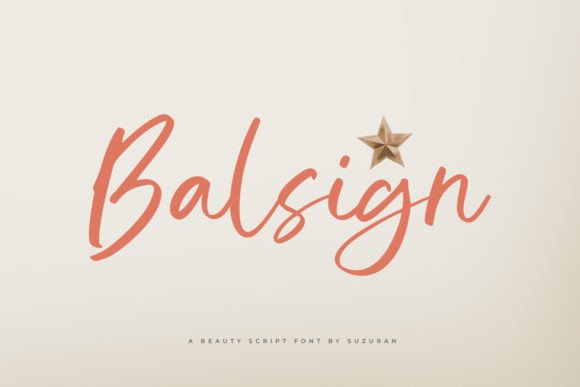
When you first open the font file, you notice the fluidity of the strokes. Balsign is not a stiff, formal calligraphy style; it feels more like a confident hand written note. It has a modern yet timeless appeal, making it versatile for various creative applications. Whether you are designing boutique tags for clothing lines or creating digital downloads for planners, this typeface adds a layer of sophistication without looking overly ornate or difficult to read.
The charm of Balsign lies in its balance. It is stylish enough to serve as a primary display font for logos and headers, yet legible enough to be used for short phrases on product labels. For makers who want to elevate their brand identity, having a creative font like Balsign in your arsenal means you can create cohesive designs that stand out in a crowded marketplace like Etsy or Amazon Handmade. It brings a sense of warmth and authenticity that resonates with customers looking for handmade goods.
Real-World Applications for Makers
After testing Balsign on my candle labels, I realized its potential extended far beyond one project. Here is how I have integrated this font into different aspects of my craft business:
- Candle and Soap Labels: The flowing curves of Balsign mimic the organic shapes of natural ingredients. I used it for the main product name on my jar labels, pairing it with a smaller, clean sans serif font for the ingredient list. This contrast creates a professional hierarchy that guides the customer’s eye.
- Greeting Cards and Invitations: For a series of wedding invitations I designed as digital printables, Balsign served as the header for the couple’s names. The script added a romantic and celebratory mood, while the rest of the text remained minimal to ensure readability. It worked beautifully for save-the-dates and thank-you notes as well.
- Sticker Sheets and Decals: When cutting vinyl stickers for my Cricut, I found that Balsign holds up well even in smaller sizes. I created a sheet of motivational quotes for planners, using the script for the key words and a bold display font for the supporting text. The result was a vibrant, engaging design that sold quickly in my shop.
- Packaging and Tags: For clothing boutiques or gift boxes, I used Balsign on hang tags. The font’s elegant flair suggests quality and care, enhancing the perceived value of the item inside. It turns a simple tag into a branded experience.
- Digital Wall Art: In the realm of digital downloads, Balsign is excellent for inspirational quotes. I designed several minimalist prints featuring single-word affirmations in Balsign, centered on plain backgrounds. These pieces appealed to customers looking for modern, chic decor for nurseries or home offices.
Readability and Design Tips
While Balsign is stunning, there are practical considerations when using it for physical products. As a maker, you must ensure that your text remains readable on small surfaces. For instance, when applying labels to small jars or creating tiny stickers, avoid using overly long sentences in Balsign. Instead, reserve the script for short phrases, names, titles, or decorative wording.
If you need to include detailed information, such as care instructions or material composition, pair Balsign with a highly legible serif font or a simple sans serif font. This combination ensures that your design looks artistic while still providing necessary information clearly. A good rule of thumb is to use Balsign for the "hook" (the title or main message) and a neutral font for the "details."
Another tip is to consider the background color. Balsign works best on light or neutral backgrounds where the ink contrasts well. If you are printing on dark materials, such as kraft paper bags or black shirts, test your print settings to ensure the white or light-colored ink does not bleed, which could obscure the delicate details of the script.
Font Pairing Strategies
To maximize the impact of Balsign, experiment with font pairing. Since Balsign is a script font with a distinct personality, it pairs exceptionally well with clean, geometric types. Try combining it with a bold sans serif font for a modern, contemporary look. Alternatively, for a more traditional or editorial design feel, pair it with a classic serif font. You can also mix it with a handwritten font for a layered, eclectic aesthetic, though this requires careful attention to spacing and scale to avoid visual clutter.
Technical Considerations for Sellers
Before you start selling products made with Balsign, it is crucial to review the technical specifications included in the font package. Check for available styles, alternates, ligatures, swashes, and weights. These features allow you to customize your designs further, adding unique touches that make your brand stand out. For example, using a specific alternate character or a flourish can give your logo or monogram a bespoke feel.
Also, verify the file formats. Most professional design software supports OpenType and TrueType formats, but if you are preparing files for cutting machines like Silhouette or Cricut, you may need to convert the text to outlines or paths to preserve the exact shape of the letters. Ensure that the font supports multilingual characters if you plan to cater to an international audience or include foreign language phrases in your designs.
Finally, always check the commercial font licensing agreement. Some fonts allow unlimited commercial use for physical products, while others may restrict the number of items you can sell or require a separate license for digital downloads. Understanding these terms protects your business and ensures you are using the commercial font legally. By respecting these guidelines, you can confidently use Balsign to create high-quality, profitable handmade goods.
Bringing Creativity to Life
Incorporating Balsign into your workflow has been a game-changer for my shop. It has helped me move away from generic templates and toward designs that truly reflect my brand’s voice. Whether you are creating seasonal products like holiday tags, designing permanent fixtures like wooden signs, or producing ephemeral items like party favors, this premium font offers the flexibility and beauty needed to succeed. As you continue to explore modern typography, let Balsign be the tool that helps you communicate your creativity with clarity and style. The right typeface does more than convey information; it tells a story, invites connection, and elevates the entire crafting experience.