Margista: A Stylish Handwritten Script Font for Elegant Branding
I was staring at a blank artboard, trying to find the right personality for a new client’s visual identity. The brief was simple but tricky: they wanted a brand that felt personal, sophisticated, and undeniably elegant. We were working on a boutique skincare line that emphasized natural ingredients and artisanal care. After rejecting several overly formal serif typefaces and generic sans serifs, I stumbled upon Margista. It wasn’t just another script; it had a specific rhythm, a flowing grace that immediately suggested luxury without feeling stiff or distant.
In this article, I’ll walk you through how I tested Margista for a real branding project, from the initial logo mockup to the final packaging design. If you’re a graphic designer looking for a creative font that adds a handwritten touch to your commercial projects, this case study might give you some practical insights into why and how to use script fonts effectively in modern typography.
The First Impression: Why Margista Stood Out
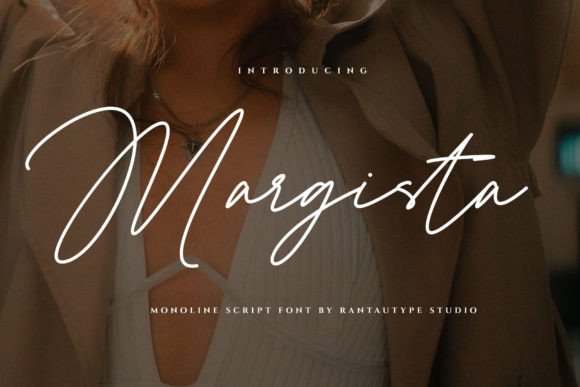
When you first open Margista, what strikes you is its fluidity. It is a stylish handwritten script font that exudes elegance and charm with its flowing, graceful curves. Unlike many script fonts that feel chaotic or hard to read, Margista maintains a consistent baseline and clear letterforms. This balance is crucial for any premium font intended for professional use.
The mood of the typeface is warm yet refined. It doesn’t scream for attention like a bold display font; instead, it invites the viewer in. For our skincare client, this was perfect. We needed a typeface that whispered quality rather than shouted it. Margista provided that sophisticated touch while still feeling accessible and human. It bridges the gap between traditional calligraphy and modern digital readability, making it an excellent choice for brands that want to appear established yet approachable.
From Logo Draft to Brand Identity
The first test was always the logo. I placed Margista on a minimalist white background, experimenting with different sizes. At small scales, the ligatures held up well, maintaining their connection without becoming muddy. However, as with any script font, legibility is king. I found that Margista works best as a headline font or logo font when used alone, but it can become overwhelming if overused in large blocks of text.
We paired Margista with a clean, lightweight sans serif font for secondary information. This contrast created a strong visual hierarchy. The script handled the brand name, drawing the eye with its artistic flair, while the sans serif provided clarity for taglines and product descriptions. This combination is a classic strategy in editorial design and web design, ensuring that the brand identity remains cohesive across all mediums.
- Logo Design: Margista shines here. Its unique character sets make it memorable and distinct.
- Brand Consistency: By limiting the script to primary headings, we maintained a professional look throughout the collateral.
- Audience Engagement: The handwritten style creates an emotional connection, suggesting that real people crafted these products.
Packaging and Product Labels
One of the most exciting parts of the project was designing the product labels. Skincare packaging often relies heavily on texture and typography to convey value. I printed a few mockups of Margista on matte black and soft pastel backgrounds. On the dark background, the white script looked striking and high-end, reminiscent of luxury cosmetics brands. On the pastel backgrounds, it felt gentle and organic.
I paid close attention to how the font interacted with other design elements. The graceful curves of Margista complemented the rounded shapes of the bottles we chose. It didn’t clash; it harmonized. For product labels, short-form text is ideal. Using Margista for the product name or key ingredients added a personal touch that mass-produced brands often lack. It made the product feel like a gift, which is exactly the perception we wanted to create.
Testing Readability and Scale
Before finalizing the design assets, I ran a series of tests to ensure the font would hold up in the real world. I resized Margista down to the size of a business card footer and up to the size of a storefront sign. Here are my observations:
- Small Scale: At very small sizes, the finer details of the script might get lost in print. I recommended using it for titles only on smaller items like coasters or stickers.
- Large Scale: On large format prints, such as posters or flyers, Margista became even more impactful. The negative space around the letters allowed the design to breathe.
- Digital Use: On social media graphics and Instagram posts, the font remained crisp. It translates well to screens, which is essential for modern marketing materials.
Font Pairing Strategies
Using a script font like Margista successfully often depends on what you pair it with. In our project, we explored a few combinations:
With a Sans Serif Font: This was our primary pairing. A geometric or humanist sans serif provides a neutral backdrop that lets the script take center stage. It keeps the overall design modern and balanced.
With a Serif Font: For a more traditional or literary feel, I experimented with a classic serif. While beautiful, this combination leaned heavily into "vintage" territory. For our contemporary skincare brand, the sans serif was the better choice, but for a bakery or wedding invitation suite, a serif pairing could be stunning.
With Another Script: Generally, avoid pairing two scripts unless you are highly experienced. Margista has enough personality to stand alone. Adding another handwritten font usually creates visual clutter and reduces professionalism.
Practical Advice for Designers
If you are considering adding Margista to your toolkit, here are some practical tips based on my experience:
- Check Included Styles: Ensure the font file includes all necessary weights and alternates. Variations allow you to customize the look and keep designs fresh.
- Ligatures Matter: Pay attention to automatic ligatures. They connect letters smoothly, creating that continuous flow characteristic of high-quality script fonts.
- Commercial Licensing: Always verify the commercial font license before using Margista in client work. Most premium fonts require a separate license for commercial use, so check the terms carefully.
- Multilingual Support: If your clients have international audiences, check if the font supports the required languages. Accents and special characters need to look native to the typeface.
- File Formats: Make sure you receive standard formats like OTF and TTF for maximum compatibility across design software.
Real-World Applications Beyond Packaging
Margista isn’t limited to skincare. Its versatility makes it suitable for various industries. Imagine using it for a wedding invitation suite, where its elegance sets the tone for the event. Or consider a handmade jewelry brand, where the font reflects the artisanal nature of the goods. It also works beautifully for restaurant menus, adding a touch of class to food photography.
In web design, Margista can serve as a powerful hero section header. When combined with ample white space and high-quality imagery, it creates an immediate impression of sophistication. For content creators and bloggers, using Margista for pull quotes or section headers can break up text and add visual interest without distracting from the main content.
Final Thoughts on Integration
Integrating Margista into a full brand system requires restraint. The goal is to let the font enhance the brand story, not dominate it. By using it strategically as a display font for headlines and logos, and pairing it with cleaner typefaces for body copy, you can achieve a balanced and professional result.
This project reinforced my belief that typography is not just about reading; it’s about feeling. Margista delivers that feeling of elegance and charm effortlessly. Whether you are designing a local shop sign, a digital template, or merchandise, this creative font adds a layer of depth that resonates with audiences. If you are looking to elevate your design assets with a personalized and sophisticated touch, Margista is definitely worth testing in your next branding project.